
















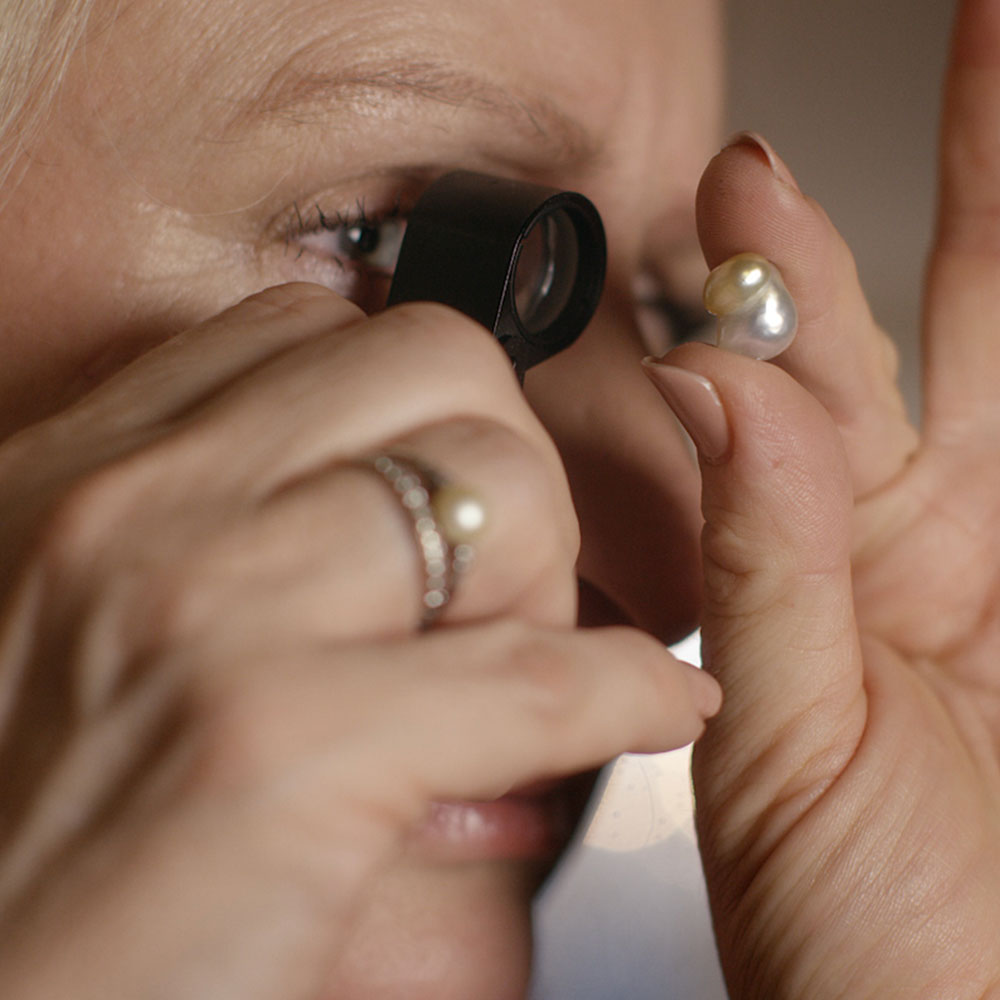








For centuries, freshwater pearls have held a unique place in history – coveted for their natural beauty and once valued even more highly than diamonds. Ancient legends claim they were a motive behind the Roman invasion of Britain.
But today, these organic gems are at risk of disappearing entirely. With freshwater mussels facing critical endangerment, can conservation efforts truly make a difference?
A species in decline
Wild freshwater pearl mussels are now among the most threatened species in Europe. Their numbers have plummeted due to overharvesting, illegal pearl fishing and widespread habitat destruction.
A stark example can be found in Ireland’s River Slaney. Once home to an estimated 10 million mussels, a 2023 survey found just two still alive. Scotland, which previously supplied half the world’s freshwater pearls, has seen a similar collapse.
The tragedy is not just ecological – it’s also economically pointless. Freshwater pearls have little market value compared to their marine oyster counterparts. Yet the damage done in the search for them has been immense and irreversible in many areas.
Fighting back through conservation
In response, governments and conservation groups have stepped in. Scotland banned freshwater pearl fishing in 1998, and similar protections exist across the EU. Active conservation projects now focus on breeding mussels in captivity, restoring rivers to healthier states and protecting remaining wild populations from further harm.
But the path to recovery is difficult. Freshwater mussels have complex life cycles that rely on specific host fish and pristine river conditions. Agricultural runoff, pollution and altered waterways make survival challenging – even where fishing has stopped. Conservationists face an uphill battle against both time and climate.
The role of sustainable pearl farming
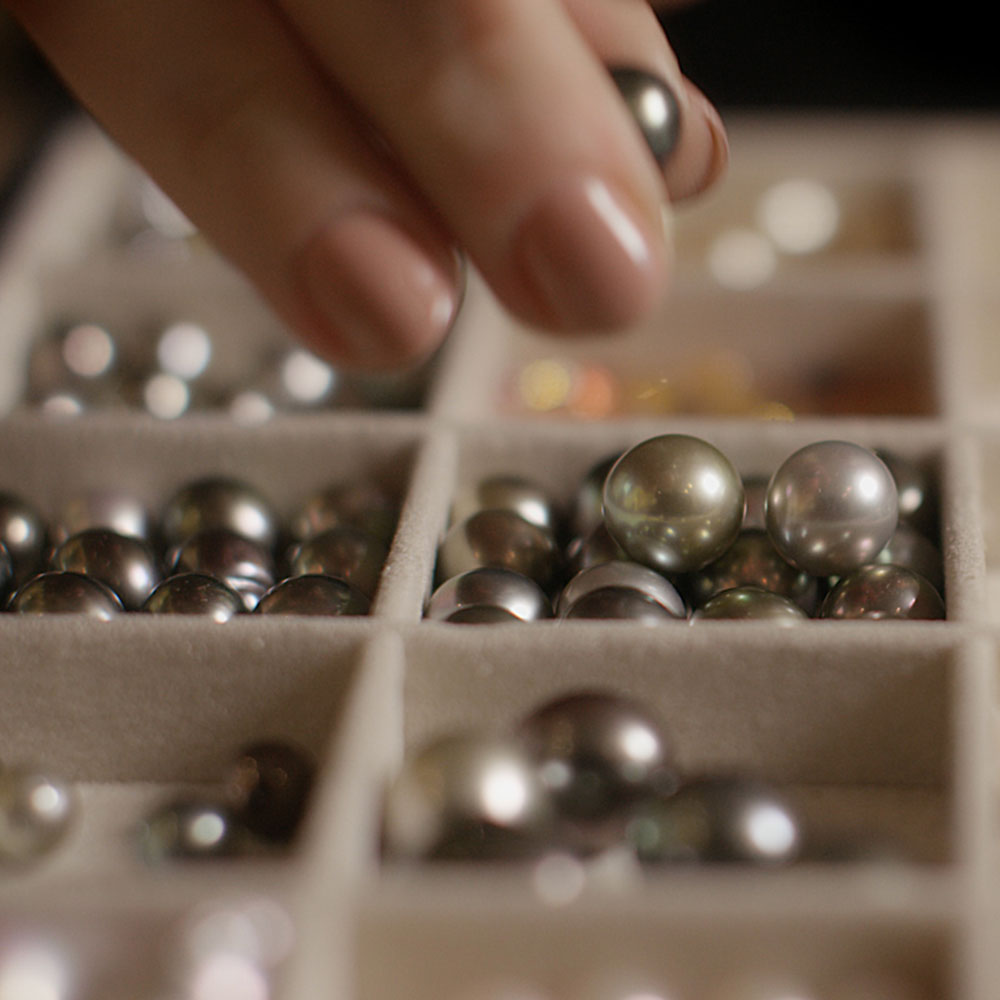
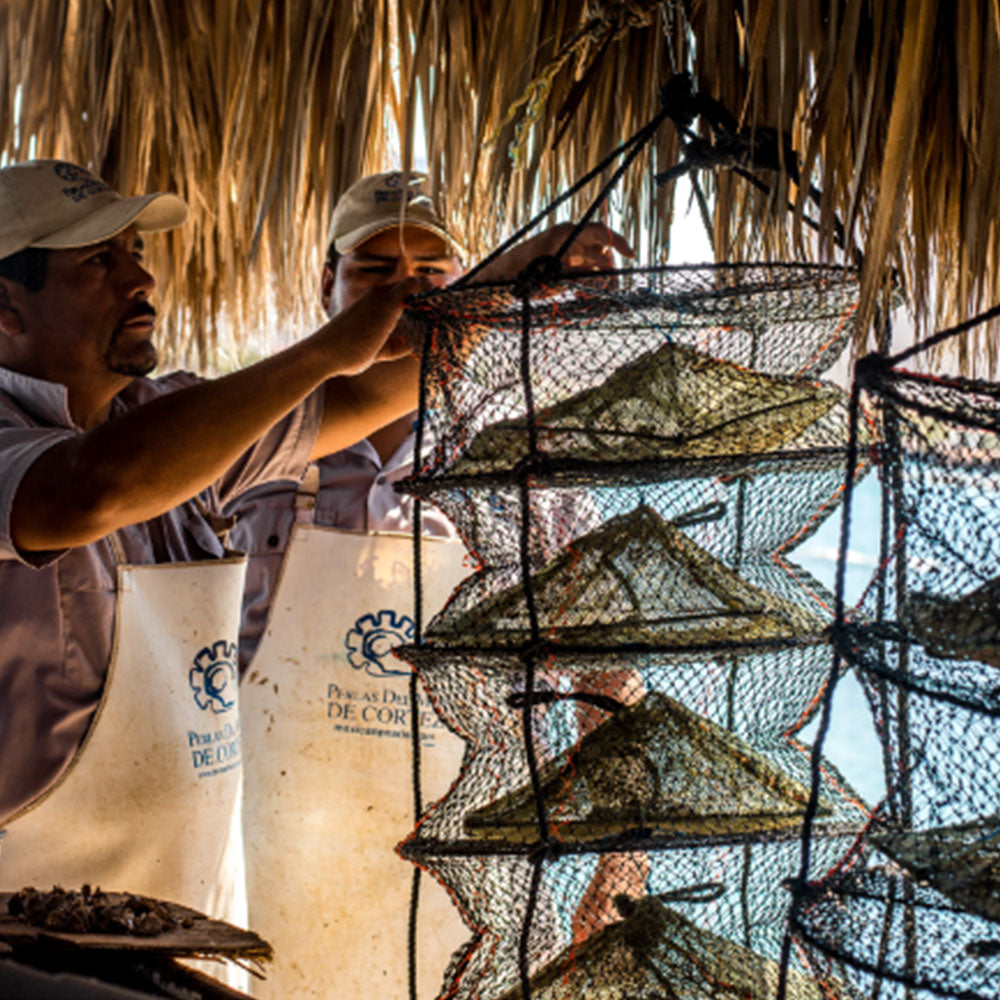
While wild populations struggle, cultured pearls have emerged as a more sustainable alternative. These pearls – grown in controlled environments using mussels or oysters – share the same physical properties as natural ones. Major jewellery houses such as Tiffany & Co, Coleman Douglas Pearls and Tasaki now source pearls exclusively from ethical farms.
Pearl-producing molluscs also support ecosystems. As filter feeders, they clean the water around them, removing algae and organic particles. In this way, responsible pearl farms can have a positive environmental impact– helping to sustain local marine or freshwater habitats rather than deplete them.
A cautious path forward
Can conservation efforts save freshwater pearls? Perhaps not in the way we once knew them. Wild pearls may never again appear in abundance, and the chance of discovering one naturally is now close to zero. Still, that doesn’t mean all hope is lost.
Through science, regulation and sustainable innovation, we can protect what’s left and ensure pearls remain a part of our cultural and natural heritage. Whether in the wild or on a farm, pearls remind us that beauty often takes time – and care – to cultivate.
At Coleman Douglas Pearls, we take pride in our natural origins, sourcing only from pearl farmers who meet our ethical standards. Each design is consciously produced for their lucky wearer.
If we act wisely and urgently, freshwater pearls may still have a future.