
























It's a reasonable question. Pearls get dirty, jewellery cleaners exist, so why not? The answer, as Chrissie Douglas explains, is an emphatic no. Commercially available jewellery cleaners come in two forms, and both can cause serious damage to pearls.
It's worth noting that this guide is for natural and cultured pearls. If you're not sure whether yours are the real thing or an imitation, our quick 'Are My Pearls Real?' quiz can tell you first. Here's what to avoid, and what to do instead.
Why liquid jewellery cleaners are a problem
"Liquid jewellery cleaners have incredibly harsh acidic ingredients," says Chrissie Douglas. "They're mainly used for diamonds, metal and other gemstones, which are much harder than pearls. But they would really damage the lustre of a pearl. So, not a good idea."
Lustre is the most important quality a pearl has. It’s also the most fragile. Acid attacks the nacre (the fine layers of calcium carbonate that give a pearl its surface). And once that lustre is gone, it can’t be restored.
Why ultrasonic cleaners are no better
Ultrasonic cleaners are the other kind of jewellery cleaner. They work differently, using high-frequency sound waves to vibrate dirt loose from jewellery.
"Ultrasonic cleaners could potentially burst your pearls," says Chrissie. "They're brilliant for diamonds and metal, but not ideal for pearls at all."
It’s worth noting that ultrasonic cleaners are not universally safe for gemstones either. Sapphires, opals and many others should be kept well away from them.
Related: Combining Coloured Gemstones & Pearls
How to clean pearls safely
The right approach is considerably simpler than any commercial cleaner.
"The best way is to wash pearls in warm water," says Chrissie. "If there is anything caked on them, use your nails to clean it off. Your nails will be softer than the pearl surface, so you can ping whatever material is on them. Or use a very gentle baby's hairbrush with warm water."
For pearl jewellery set in metal, allow the piece to dry naturally before wearing. For a strand of pearls, the drying process requires more patience.
"If it's a strand of pearls, leave it to dry laying flat on an absorbent surface for about two weeks," says Chrissie. "The silk inside will still be wet for a good long time. If you try to wear them straight away, the silk will stretch."
What about mixed pearl and metal jewellery?
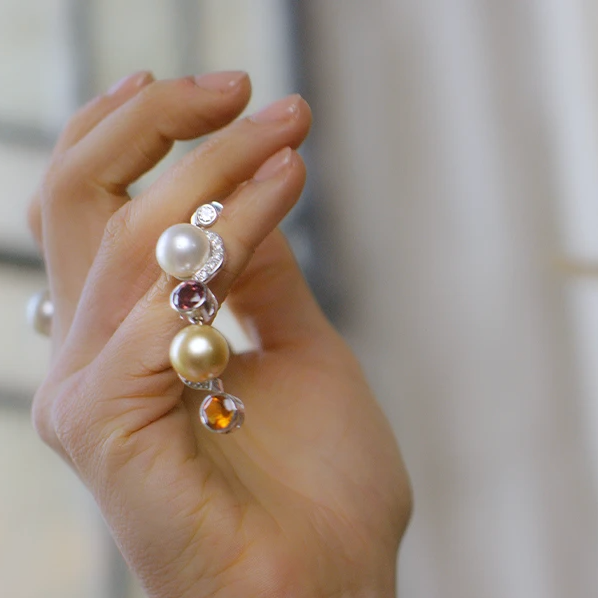
For pieces where pearls are set alongside significant amounts of metal or stone, Coleman Douglas Pearls provides specialist cloths for jewellery items sold with this composition. These specialist cloths clean metal effectively while keeping contact with the pearl surface to a minimum.
There’s also a more involved solution for pieces that need a thorough clean. Have a jeweller unset the pearl, clean the metal properly, and then reset the pearl afterwards. It’s not a quick fix, but for a treasured piece it may be the right one.
The short answer
Keep pearls away from every commercially available jewellery cleaner. Both liquid and ultrasonic. Warm water, a gentle touch and patience are all they need. Treat them well and the lustre that makes them worth wearing will last a lifetime.
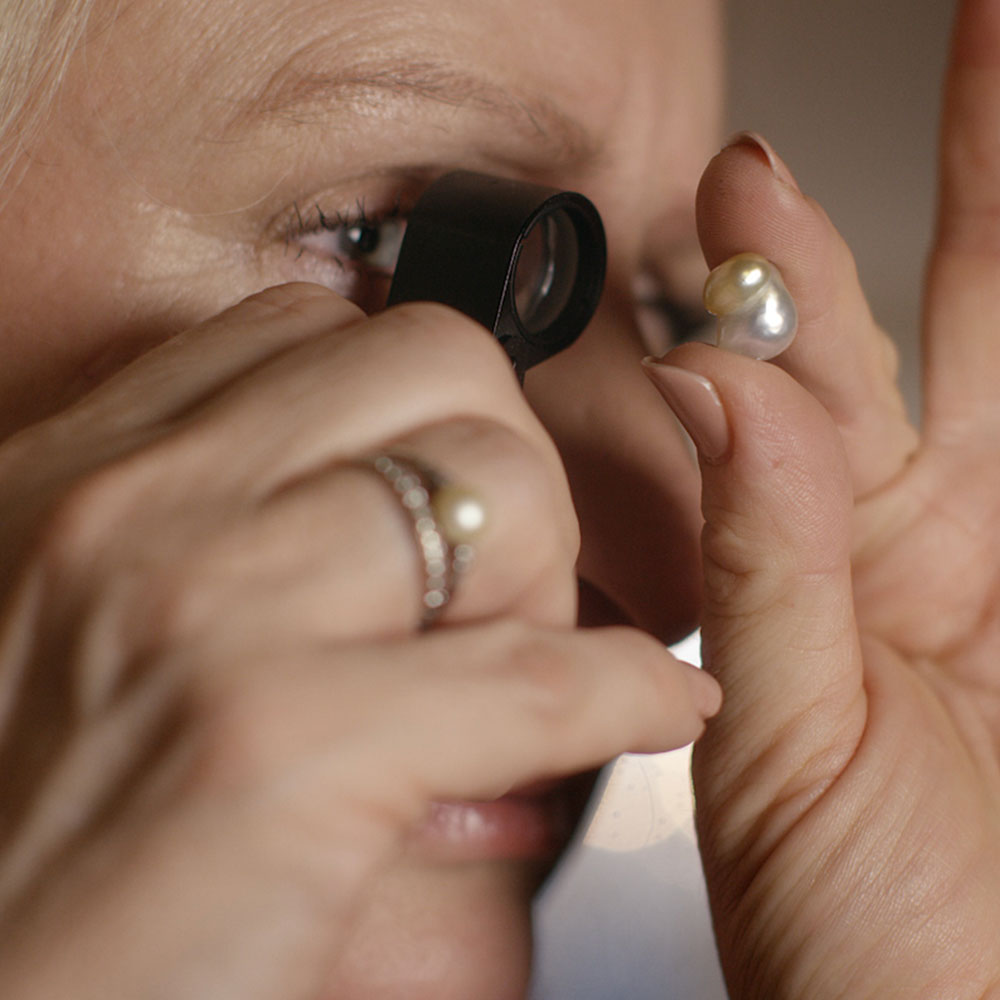
For anything more involved, or if you're unsure about a particular piece, Chrissie is happy to advise. Visit Coleman Douglas Pearls. We offer pearl assessments for £50 where Chrissie will examine the quality and health of your pearls.