















As celebrities descended on the Metropolitan Museum of Art for the 2026 Met Gala, one material kept reappearing across the carpet. Not diamonds. Not gold. But Pearls.
From heirloom ropes worn by Indian royalty to a $500,000 Mikimoto body chain, pearls were the defining jewellery story of the evening. They were worn across cultures, generations and silhouettes, as we’ll explore below.
The look Chrissie loved most
The most photographed pearl moment of the night was Emily Blunt's. But it wasn't the one that moved Chrissie Douglas most.
"My favourite above all was Princess Gauravi Kumari," she starts. "Long ropes of beautiful big natural pearls (worth a king's ransom on their own) with a lovely lower choker featuring beautiful natural diamonds and natural pearls, and a shorter choker higher up. Smaller pearls. Very demure. She looks so elegant, so demure, and really beautiful."
Kumari, from the erstwhile royal family of Jaipur, wore layered heritage pieces from The Gem Palace. This jewellery house has been in operation since 1852, originally appointed to the Maharajas of Rajputana. Her gown had been cut from Maharani Gayatri Devi's own pink chiffon sari. The pearls and their provenance were inseparable.
This is the quiet power of natural pearls. Formed entirely without human intervention over many years inside wild oysters, they are extraordinarily rare. That rarity shows. There’s a depth of lustre to a natural pearl that speaks for itself, without any drama required from the setting.
The Mikimoto body chain (and a story closer to home)
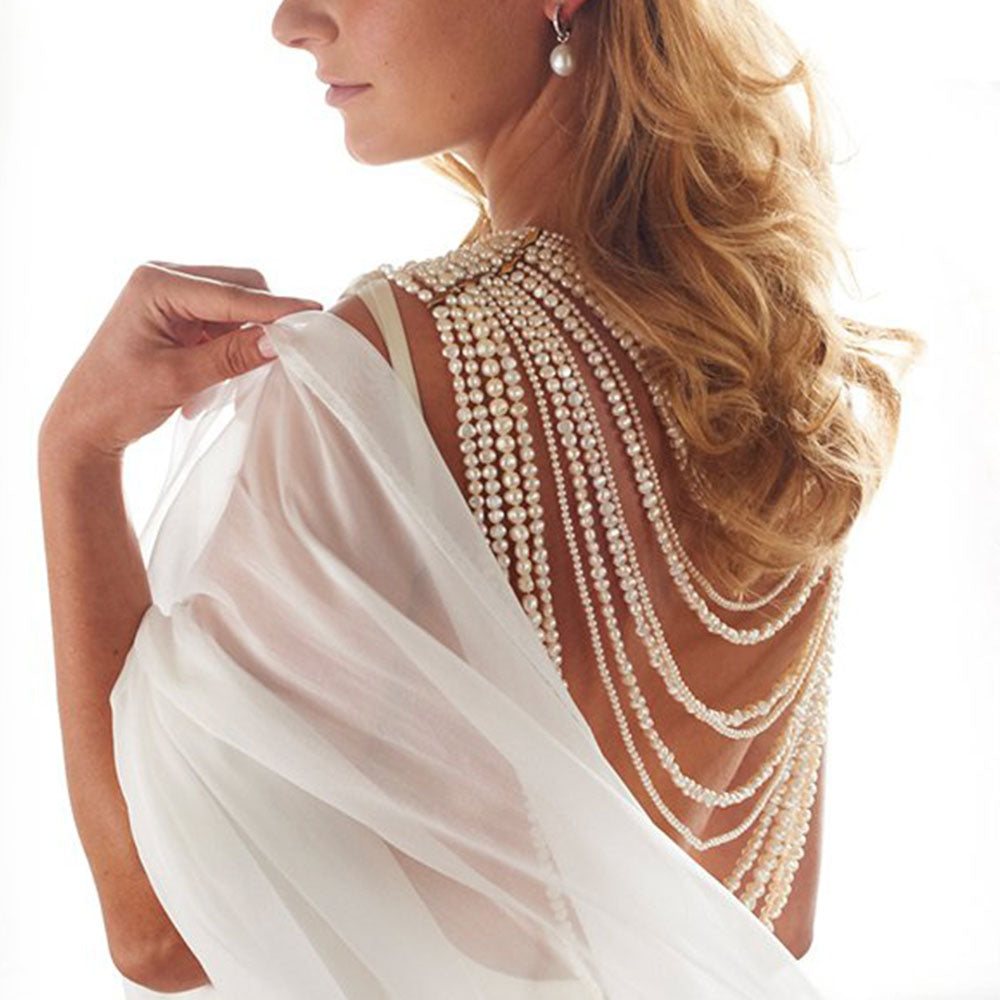
Emily Blunt's look was harder to miss. A one-of-a-kind Mikimoto piece featuring thousands of Akoya pearls draped in cascading strands across her torso and arms. It was valued at half a million dollars and described by her stylist as "a deliberate reversal", where the jewellery became the garment.
"It's beautifully done by Mikimoto," says Chrissie. "And interestingly, in 2002, I was invited by London Mikimoto to go to New York to show them my collection. I showed them a body piece with a very similar design. Mine was an X, with the centre lower down the body, designed to accentuate a woman. If she has curves, it gives her a longer body. If she doesn't, it gives her curves."
The Akoya pearl has always been the natural choice for this kind of precision work. Cultured in the cold waters of Japan, it’s prized above all for its near-perfect roundness and exceptionally high lustre. It has a near mirror-like surface that catches light cleanly at close quarters and holds it. Against pale skin or a structured gown, the effect is unlike anything else in jewellery.
The third look: pearls as spectacle
The evening's third pearl story came from Kylie Jenner, in a Schiaparelli look that embedded freshwater cultured pearls across a barely-there embroidered dress.
"Quite like Kylie, really... A bit loud," jokes Chrissie. "But it brings pearls to the fore, and really shows their beauty."
She's right that it does. Whatever you make of the styling, pearls worn at that scale and on that stage reach people who might never otherwise think about them.
Related: Pharrell Williams Turns Heads at the Met Gala 2025
What the evening actually showed
Three looks, three completely different relationships with pearls:
- Heritage ropes passed through generations.
- A body chain conceived as wearable sculpture.
- Freshwater pearls embroidered into something closer to costume than jewellery.
What connects them is that each was a considered choice, not a default or a safe option. Pearls were selected because they could do something no other material could.
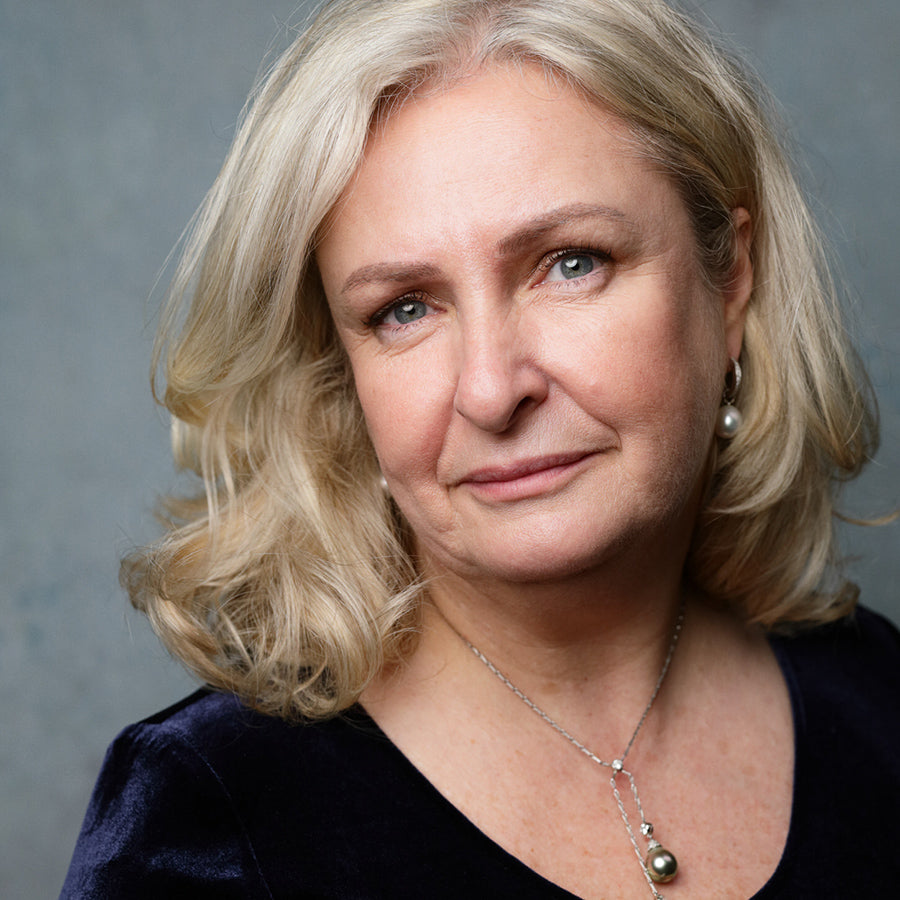
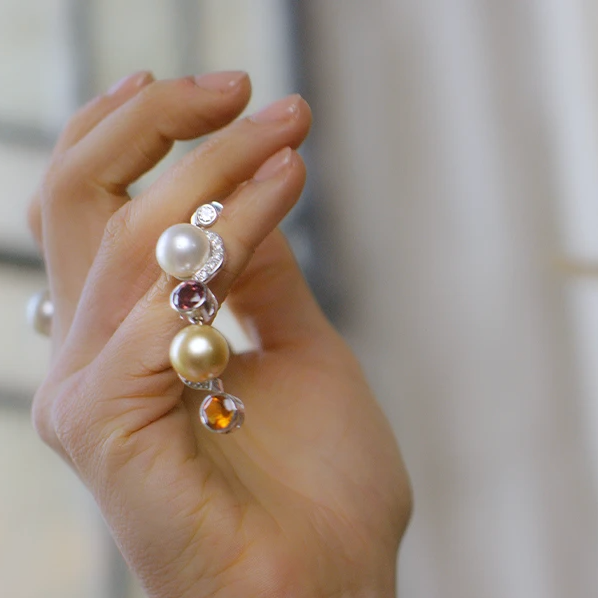
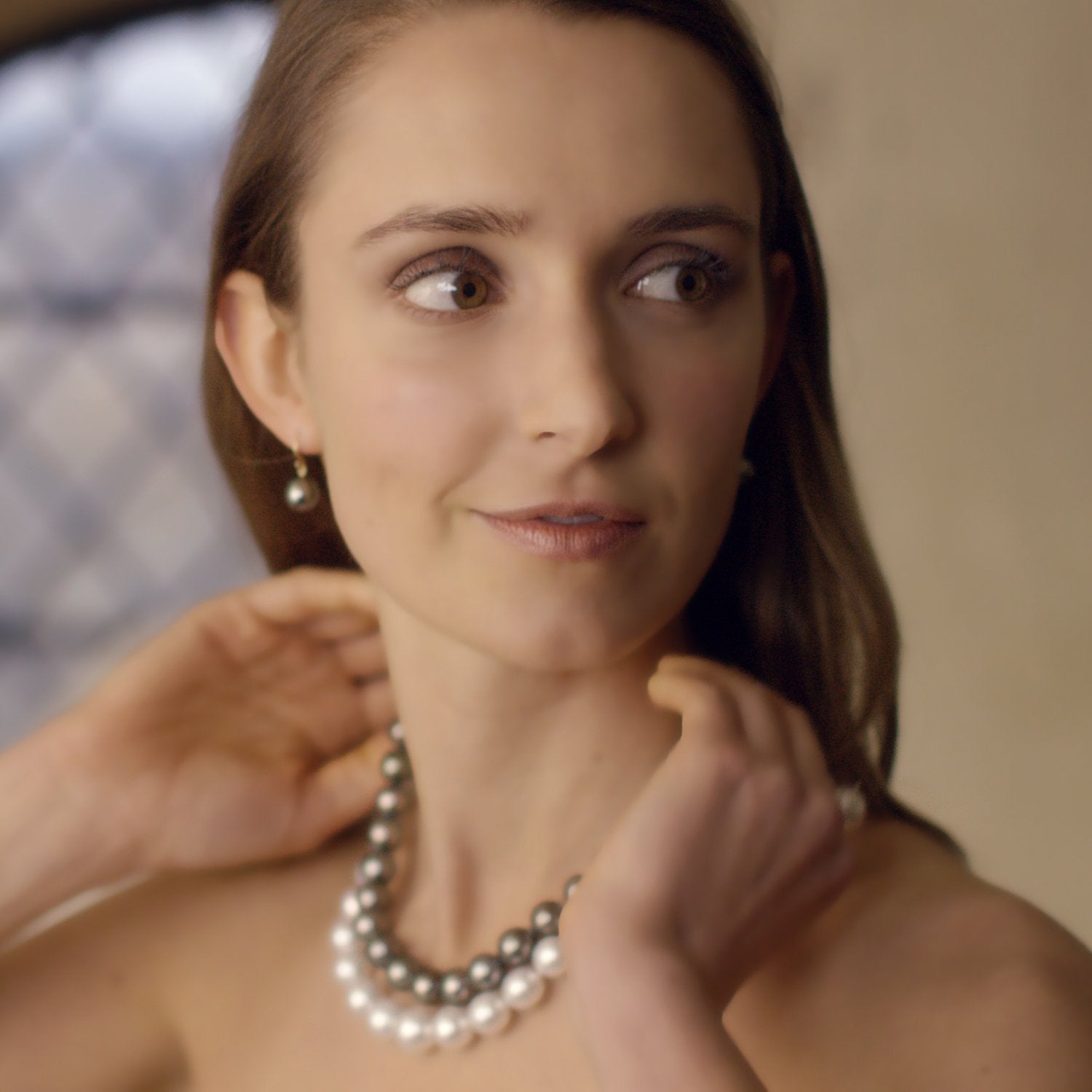
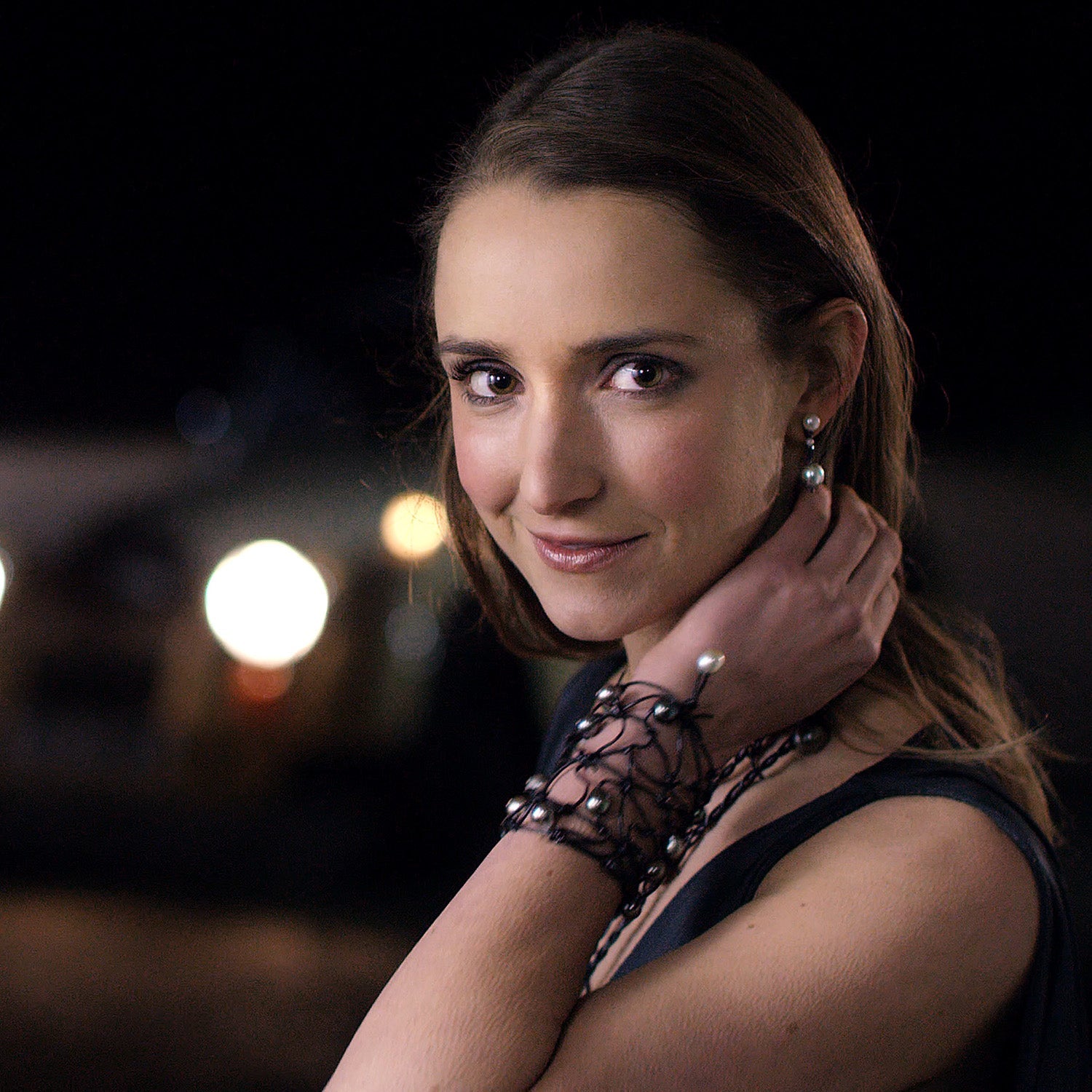
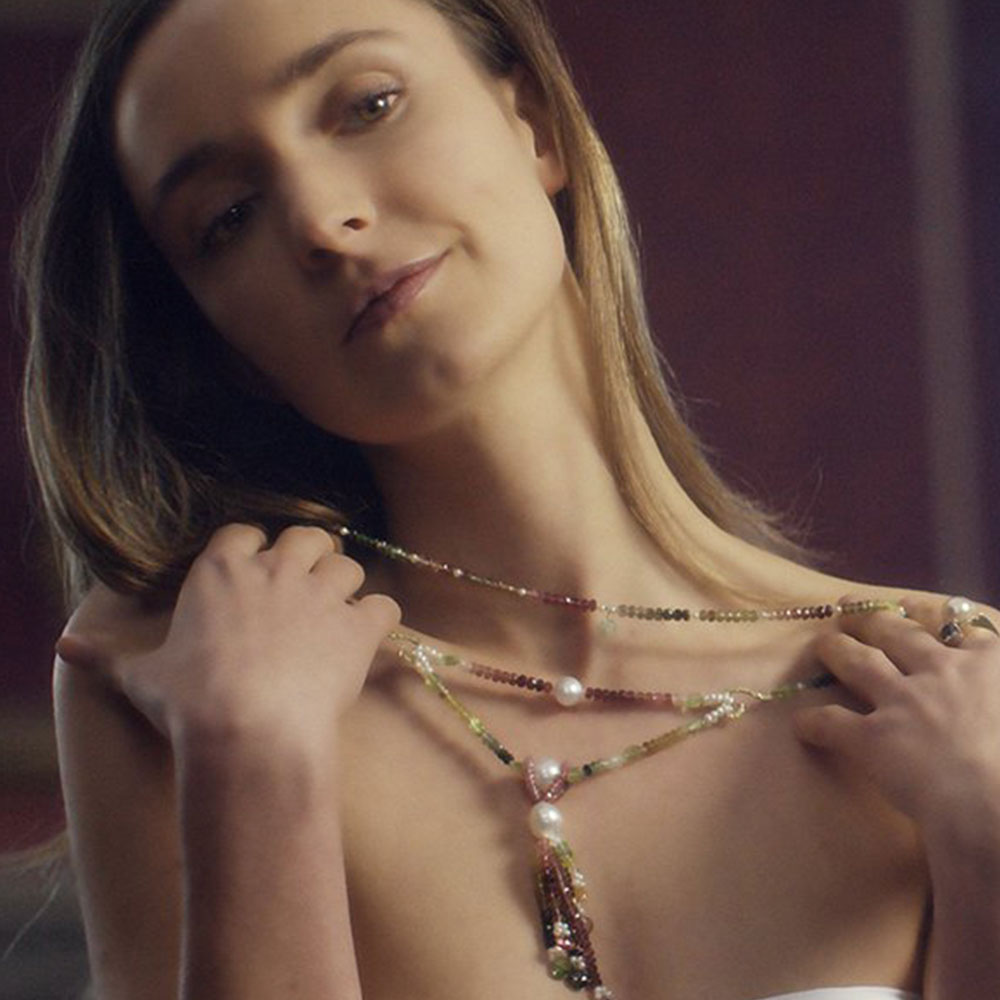
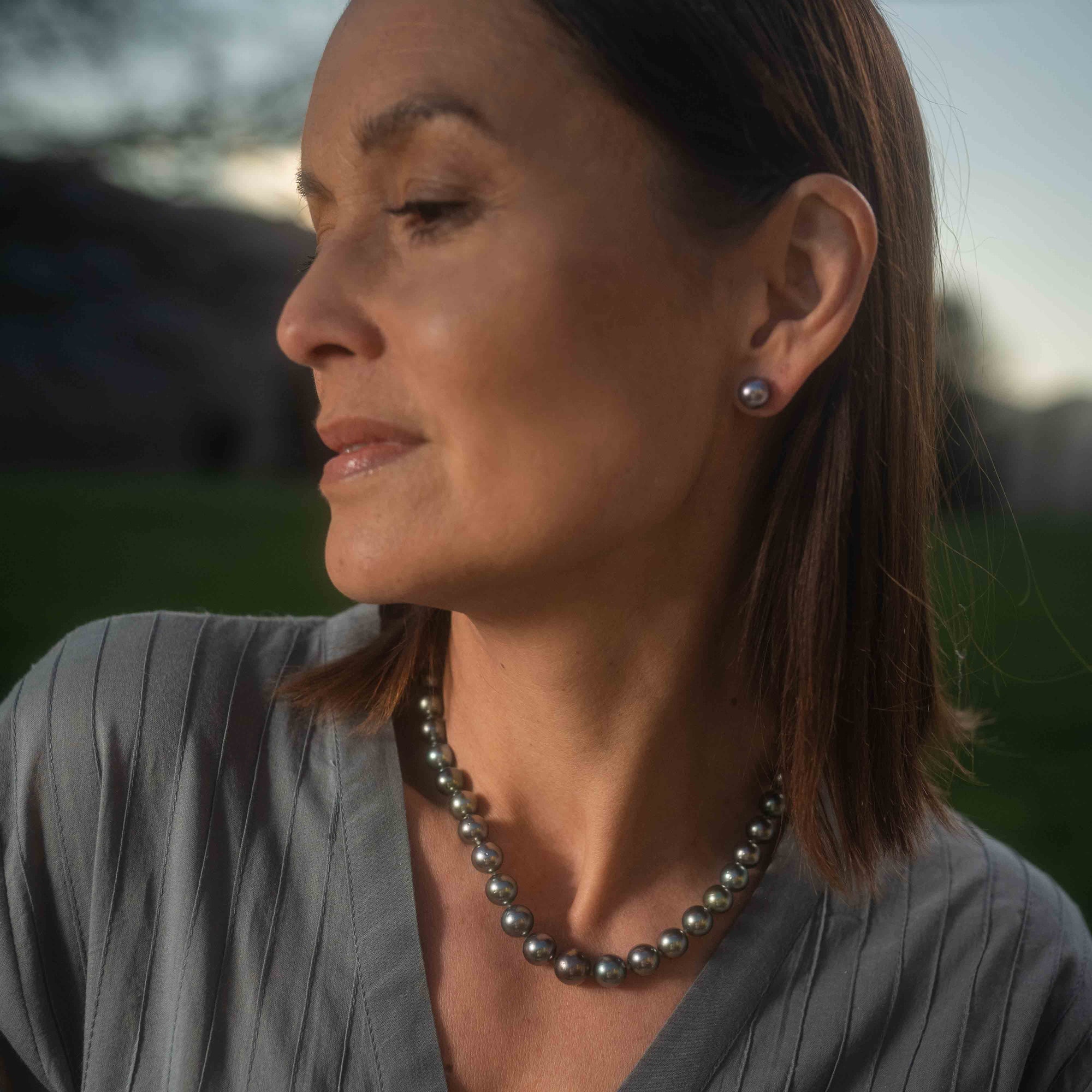
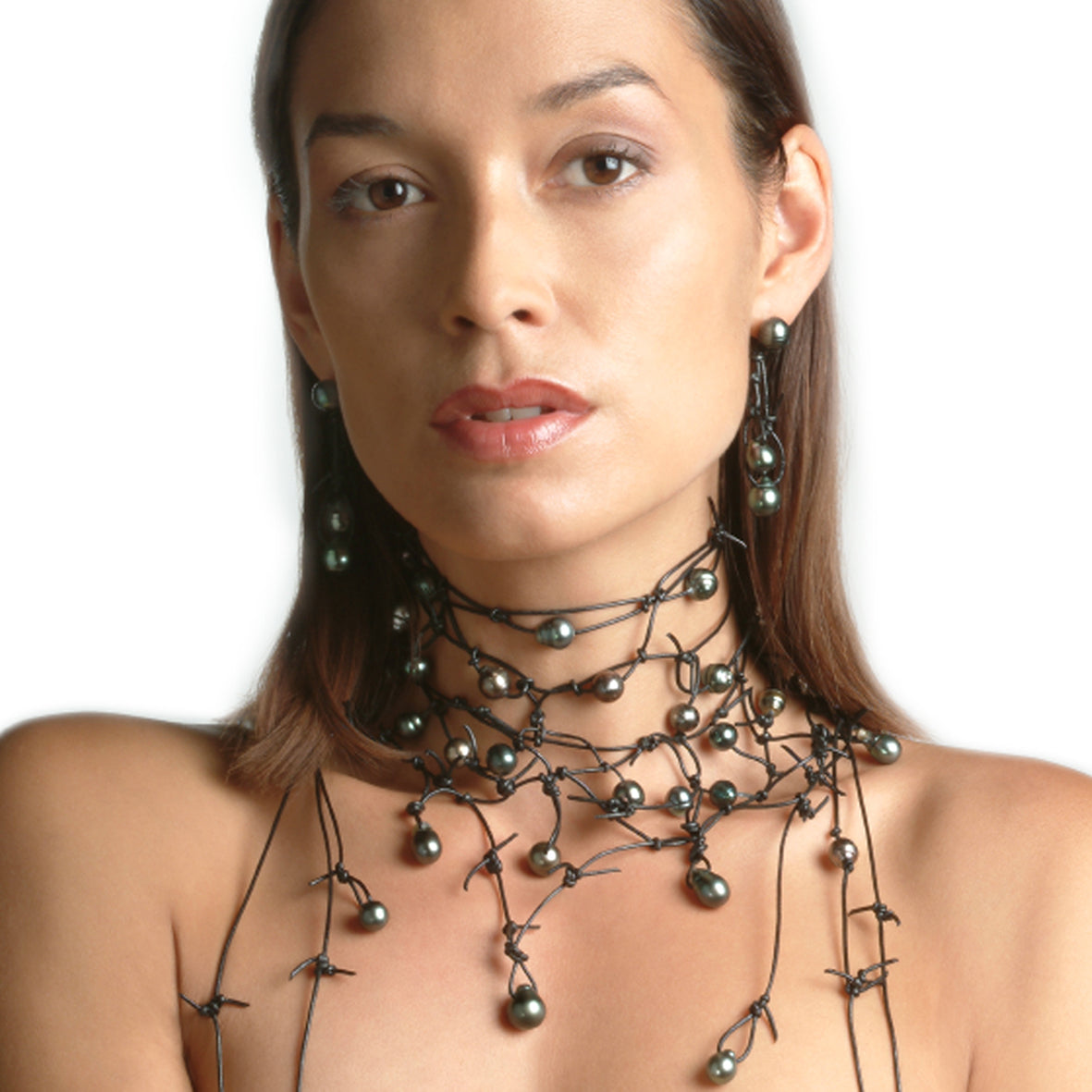
That is exactly the thinking behind every piece at Coleman Douglas Pearls. Chrissie has spent over thirty years matching clients to the pearl that genuinely works for them. That includes the colour that lights up their complexion, the length that suits their neckline and the shape that fits the life they actually lead.
To find your pearl, book a personal consultation with Chrissie at Coleman Douglas Pearls.