

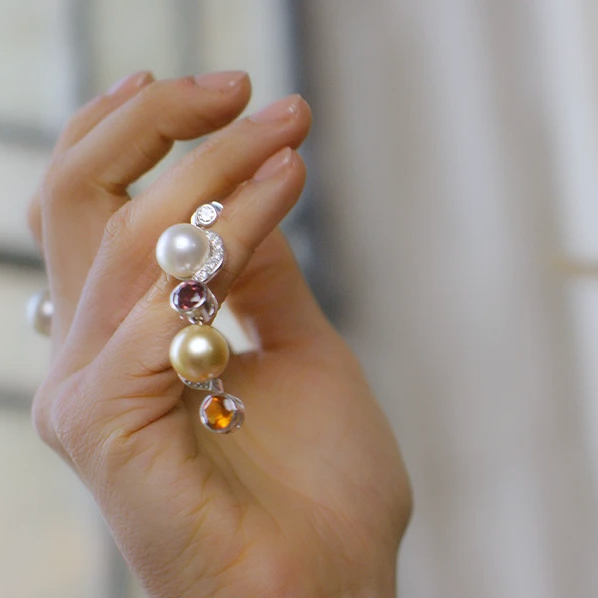



















Large, round, lustrous and surprisingly affordable, Edison pearls now fill jewellery counters and online shops. According to GIA’s report on the 2026 Tucson gem shows, these freshwater bead-cultured pearls have apparently “dominated the market” according to the article, thanks to steady improvements in colour, size and quality over the past five years, with sizes running from 9mm to more than 15mm.
But how are they made, and what exactly are you buying? Here, Chrissie Douglas explains what makes Edison pearls different, and what to check before you buy.
From brand name to market leader
Edison began as a trade name, adopted by a handful of Chinese farms that wanted to distinguish their pearls from mass-produced freshwater pearls. It didn’t stay exclusive for long. “The techniques they’ve used for a few years to produce Edison pearls are now being used by more producers,” says Chrissie. “That will bring their price down eventually, because there will be more production than is needed.”
For now, prices are still climbing. GIA notes a “noticeable price increase”, though Edisons remain far cheaper than saltwater pearls of a similar size. In fact, Saltwater pearls are at least three times more expensive than their freshwater counterparts, due to the complications in cultivating them and the hefty infrastructure and care that is needed to bring them into the light.
What’s inside an Edison pearl
The difference starts on the inside. “Edison pearls have a very large bead inserted into the mussel, which starts the production,” says Chrissie. “A traditional freshwater pearl is made entirely of nacre, so it has a very strong structure throughout. An Edison pearl has only a top layer of nacre over a bead of a different consistency, so it will be far easier to crack and also much quicker to produce.”
High-tech farming
How they’re grown is changing fast, too. A recent JCK report describes Chinese farms raising mussels in sensor-monitored ponds, with underwater chips tracking pH and temperature, and feeding them nutrient solutions through networks of pipes. As one pearl dealer put it: “They drill a hole into each mussel and they put a feeding tube through it to feed the mussel.”
Chrissie finds the contrast with traditional pearl farming stark. “Traditional freshwater pearls are grown in slow-moving rivers or lakes, very much at the mercy of nature,” she says. “To me, Edison pearls are pearl clones, bred in mussel breeding programmes with significant involvement of man. It feels almost like a science fiction film for pearls, as opposed to the beauty and calm of the natural process.”
A new language of colour
Breeding programmes are also targeting colour. According to JCK, one produces purple pearls at a reported rate of 97.2%. “Pearls are being bioengineered to produce very intense colours, like what they’ve now named Ultra Violet: Vivid Purple,” says Chrissie. “It’s one of many new classifications that Chinese gemmological certificates are giving them.”
JCK has compared the fight over these new names to the debate over how to describe lab-grown diamonds. “In my opinion, that tells you everything you need to know about these pearls,” says Chrissie.
What to check before you buy
Start with the name on the label. “When Edison pearls first came to the market, they were described as freshwater Akoya pearls, which is as misleading as you could possibly get,” says Chrissie. “Akoya pearls must always come from seawater, because seawater pearls are so much more difficult to cultivate.”
GIA has since published guidance calling the term a misnomer. For anyone who wants certainty, it recommends a pearl identification report, which records whether a pearl grew in freshwater or saltwater.
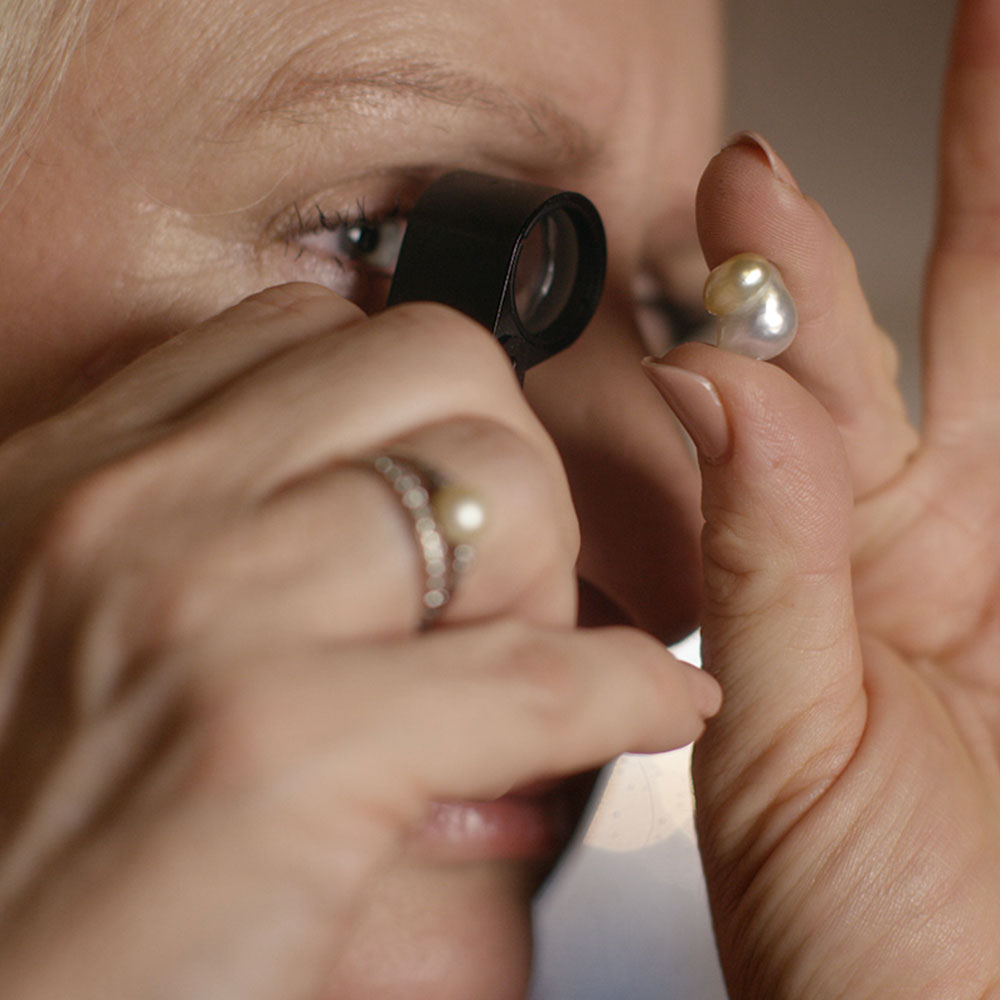
It’s also worth asking whether the colour is natural. GIA researchers have published methods for detecting colour treatment and optical brightening in Edison pearls, so a reputable seller should be able to tell you what you’re getting.
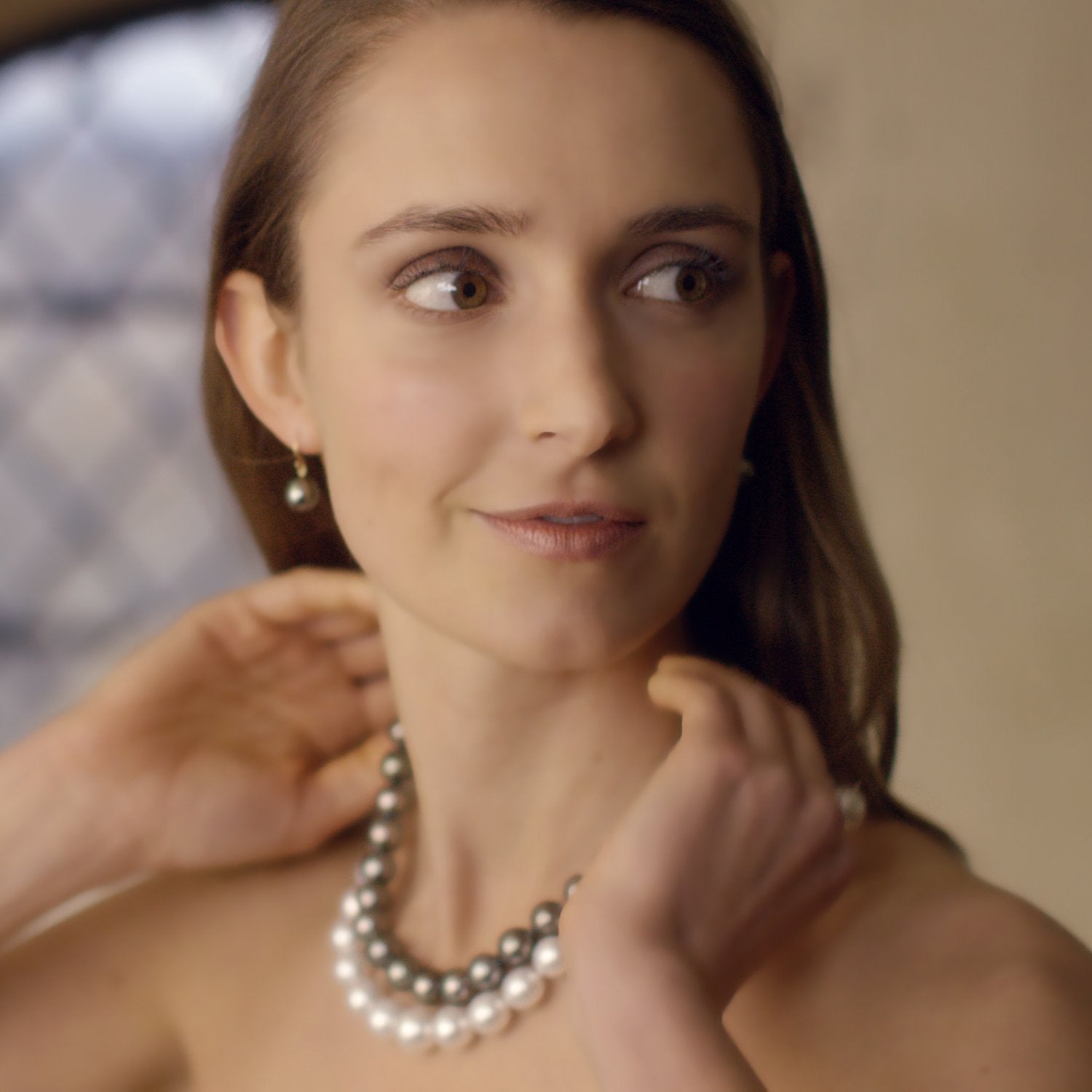
Then think about how the colour will look on you. “Traditionally cultivated pearls are gentle on the skin. When you put them on, they give you a gentle glow,” says Chrissie. “Edison pearls are being grown in very shiny white and also in very vivid, shocking colours, which aren’t terribly enhancing for a human complexion.”
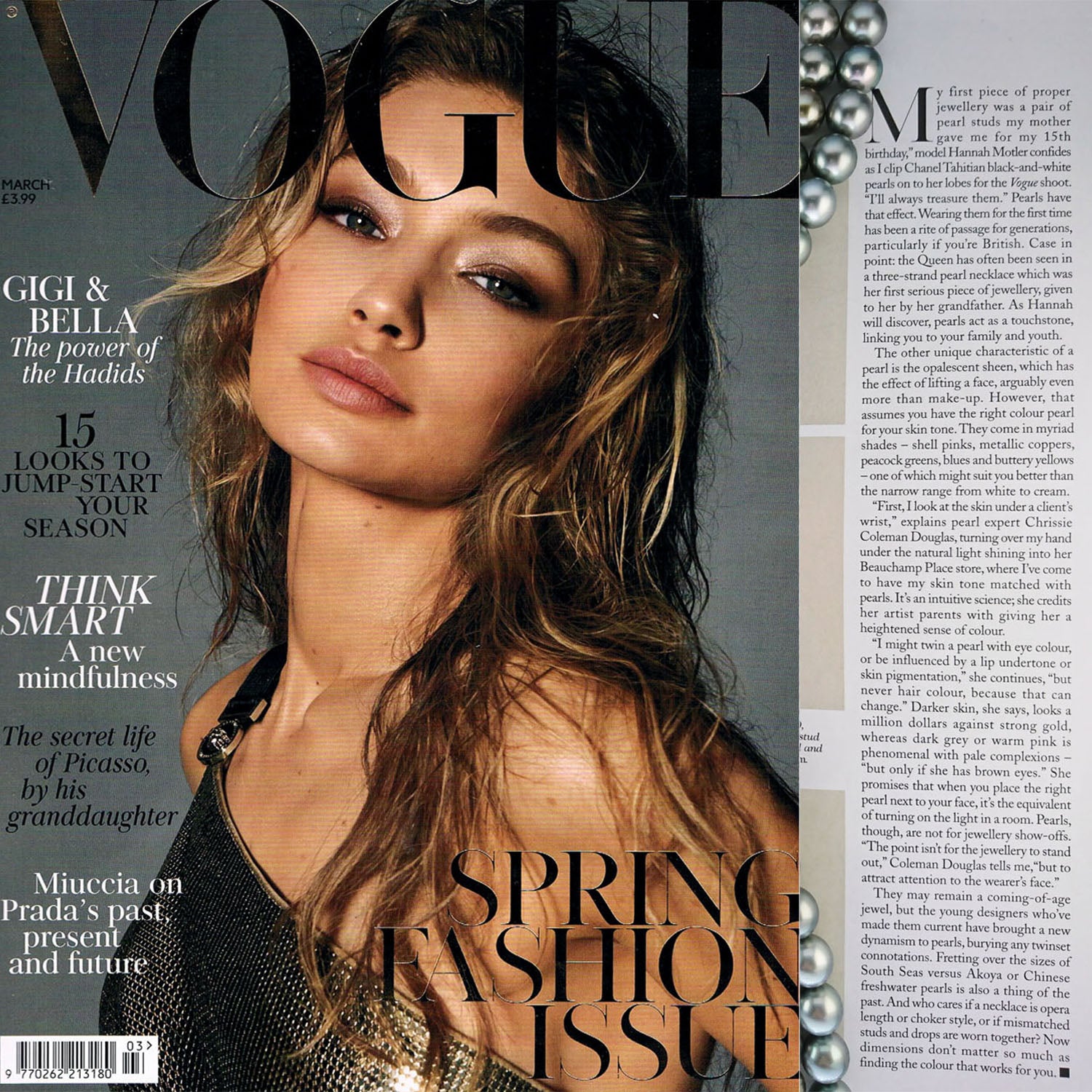
Related: Pearl Colours: Which is Best for My Skin Tone?
Finding the right pearl
Edison pearls aren’t going anywhere soon, and for anyone after size on a budget, they have obvious appeal. But a pearl you’ll wear for decades deserves a closer look. If you’d like to see how traditionally cultivated pearls compare, and which colours and overtones suit you, book a one-to-one consultation with Coleman Douglas Pearls. We focus on responsibly sourced pearls, each one chosen to bring out the natural glow of the person wearing it.