




















Pearl necklaces have long been associated with elegance, refinement and tradition. But behind their simple lustre lies a world of symbolism that spans centuries and cultures. From ancient royalty to modern-day fashion rebels, pearls have carried meanings that evolve depending on who wears them and why.
So, what do pearl necklaces really represent? Let’s explore the deeper meanings behind this timeless accessory.
A brief history of pearl symbolism
Pearls have fascinated civilisations for millennia. In Ancient Egypt, pearls were buried with the dead as symbols of wealth and protection in the afterlife. The Romansconsidered them a sign of social rank – Julius Caesar even passed laws restricting their use to the elite. Meanwhile in China, pearls symbolised wisdom and were believed to offer protection from fire and dragons.
During the Renaissance, pearls became associated with chastity and virtue. Queen Elizabeth I was famously painted in extravagant pearl collars and earrings, using them as symbols of her purity and divine right to rule. In the Victorian era, pearls were often given as tokens of love and remembrance. Their gentle lustre matched the era’s preference for delicate, sentimental jewellery.
Fast forward to the 20th century, and pearls took on a new kind of glamour. Coco Chanel revolutionised their image by mixing natural pearls (which were gifts from her various wealthy admirers) with cultured pearls and their imitation counterparts – alongside casual clothing, proving that elegance didn’t have to be expensive. Hollywood stars like Audrey Hepburn and Grace Kelly cemented pearls as the ultimate symbol of polished femininity.
The symbolism of pearls
What do pearl necklaces mean? At the core are the qualities we associate with the pearl itself. Formed organically inside molluscs, pearls aren’t cut or polished like other gems. Their beauty is natural, which gives them a sense of authenticity and quiet power.
Purity and innocence
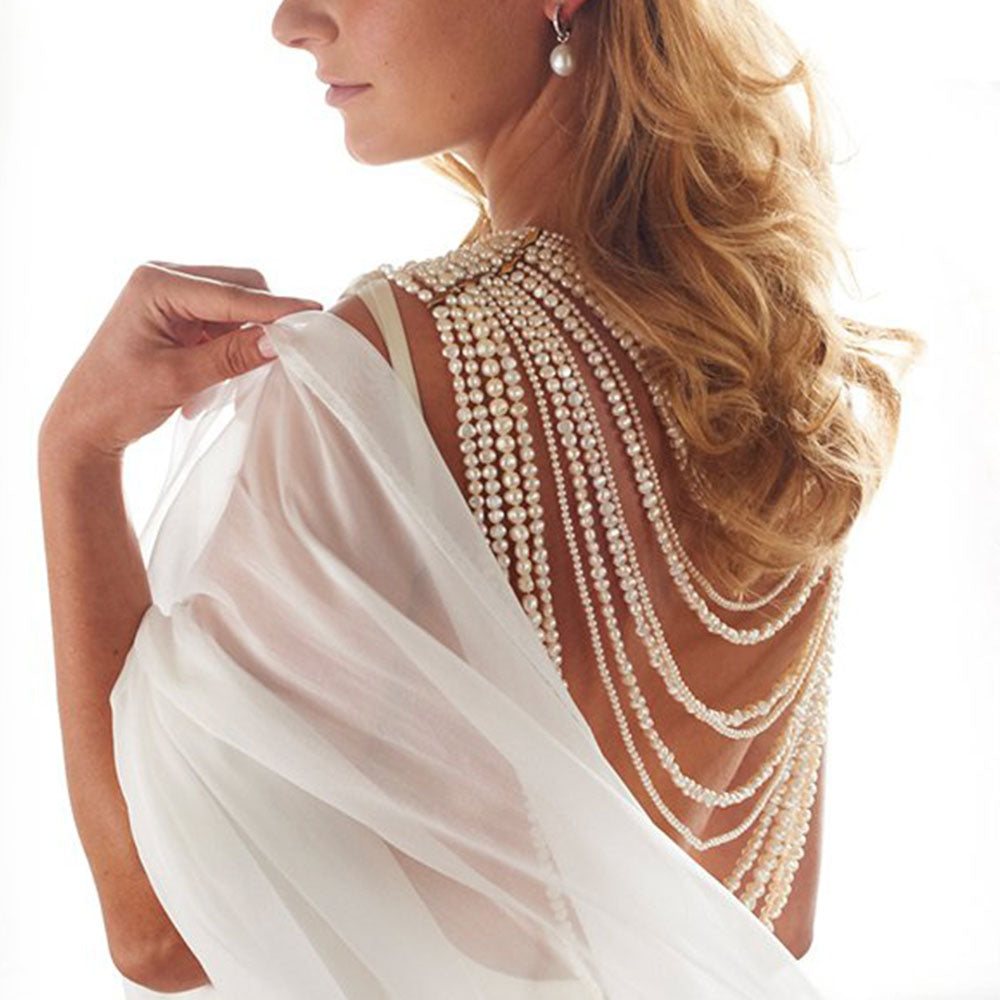
Pearls are traditionally linked to purity, which is why they’re a common choice for bridal jewellery. The round, white pearl reflects simplicity and sincerity, often representing a clean beginning or a pure heart.
Wisdom and growth
Because pearls form as a response to an irritant inside a shell, they’re often seen as symbols of wisdom gained through experience. This association makes them popular gifts for graduations, career milestones and other rites of passage.
Femininity and grace
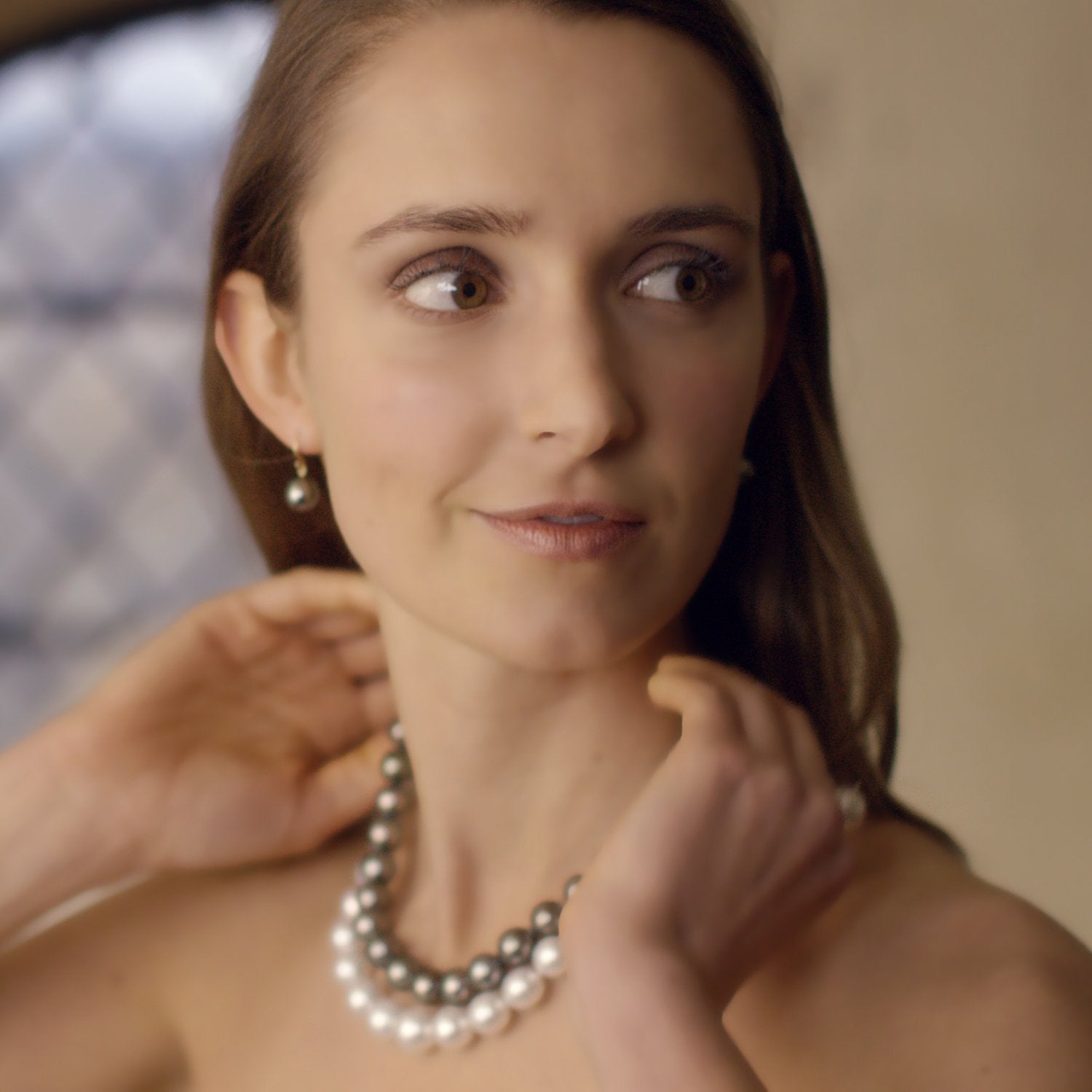
Culturally, pearls have been aligned with softness, refinement and traditional femininity. A single strand pearl necklace – especially worn with a black dress or tailored outfit – evokes images of grace under pressure. They speak to restraint rather than extravagance, signalling quiet strength.
Pearls across cultures
In the West, pearls have historically represented wealth and decorum. In the 1950s, the image of the “perfect housewife” was incomplete without a strand of pearls – often worn during dinner parties or even while vacuuming, as seen in advertisements of the time.
However, pearls also served political and symbolic purposes. Justice Ruth Bader Ginsburg famously wore pearls as part of her judicial robe – a symbol of her power, intellect and feminist presence on the bench.
In Eastern cultures, pearls carry different but equally rich meanings. In Chinese and Japanese traditions, pearls are seen as spiritual symbols of harmony and balance. They’re believed to have healing properties and are often used in traditional medicine or given as blessings for longevity and peace.
In South Asia, pearls appear in religious and royal art, frequently used in temple decorations and bridal jewellery. Their inclusion often conveys divine beauty.
The modern evolution of pearl meaning
While pearl necklaces once conformed to rigid expectations of gender and class, today they are being reinterpreted in more fluid and personal ways. Young people are reclaiming pearls as tools of self-expression rather than symbols of conformity.
Men and pearls
Fashion-forward male celebrities like Harry Styles, A$AP Rocky and Pharrell Williams have embraced pearl necklaces, breaking old associations with femininity. On them, pearls suggest a mix of rebellion, elegance and modern masculinity – challenging norms while paying homage to vintage style.
Related: An Essential Guide to Pearls for Men
Genderless elegance
The rise of gender-neutral fashion has also given pearls a new context. Worn by people of all identities, a pearl necklace can signify balance, confidence and intentional softness. It’s not about looking delicate, but about owning one's aesthetic in a thoughtful and deliberate way.
Subversive classicism
Many wear pearls today with a sense of irony or playfulness. Pairing them with streetwear or leather jackets creates a contrast that flips tradition on its head. In this way, pearls are no longer about fitting in – they’re about standing out.
Emotional and personal meanings
What do pearl necklaces mean to you? Beyond cultural and stylistic interpretations, pearl necklaces often carry deeply personal symbolism. Many are heirlooms, passed down through generations. In this context, a pearl necklace becomes a thread between the past and present – representing love, legacy and memory.
The process of how a pearl is formed is itself a powerful metaphor. A small irritant enters an oyster or mollusc, and over time, it is coated in layers of nacre until it becomes something beautiful. This transformation is often seen as a symbol of resilience – turning discomfort into strength, adversity into beauty.
People who wear pearls to mark a life transition or to honour a loved one may feel that same sense of becoming – of taking pain or experience and turning it into something meaningful.
So, what do pearl necklaces really mean?
There’s no single answer, and that’s part of their appeal. A pearl necklace can mean purity or power, tradition or transformation. It can whisper elegance or shout subversion. Its meaning often depends not on the necklace itself, but on the person wearing it and the story they choose to tell.
For some, it’s about conveying timeless grace. For others, it’s about rewriting old rules. And for many, it’s a quiet but constant reminder that beauty – like pearls – is often shaped by time, pressure and patience.
Find meaning in your perfect pearls
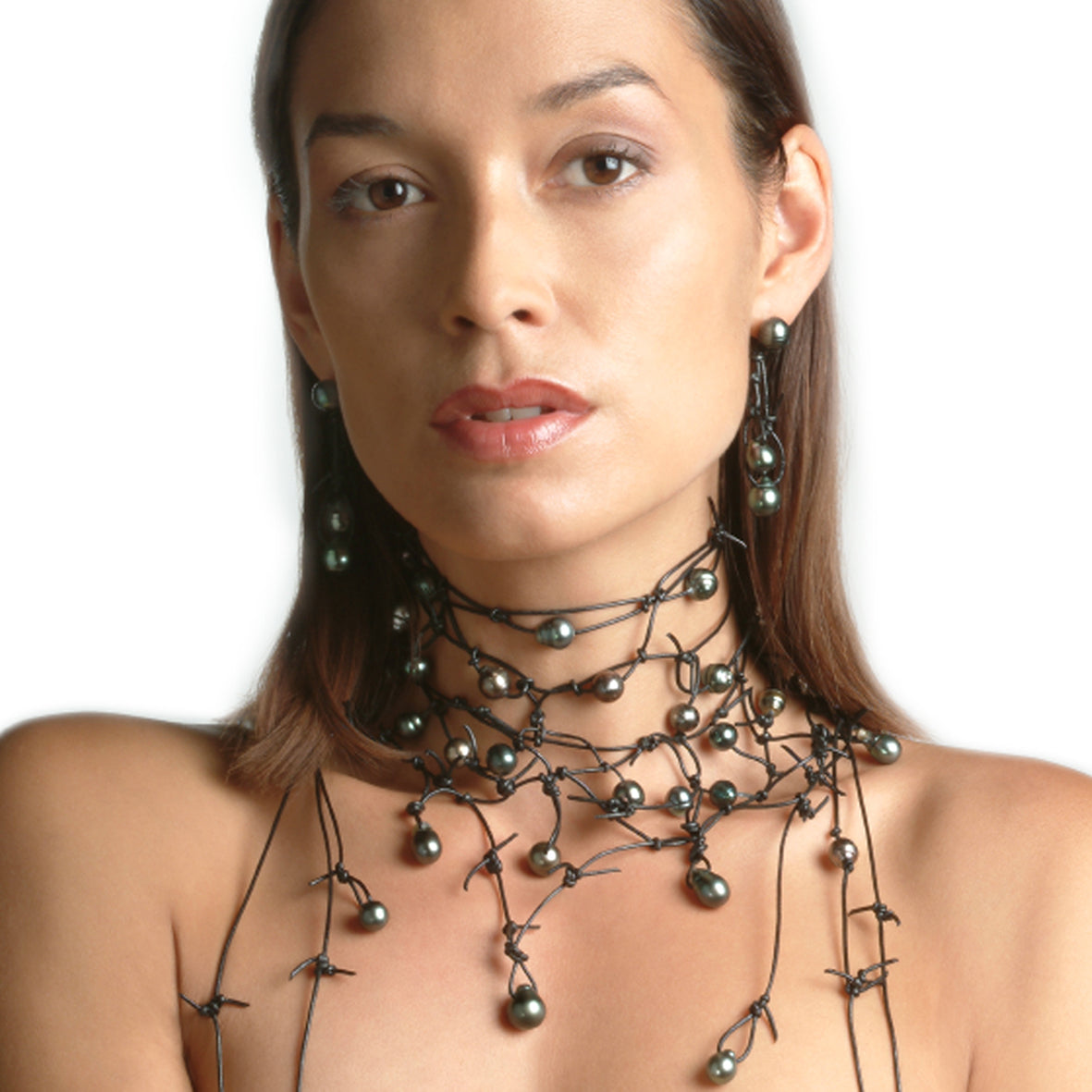
Whether you’re embracing tradition or redefining it, a pearl necklace can speak volumes without saying a word. From subtle strands to bold statement pieces, pearls are more than just accessories – they’re reflections of identity, history and personal style.
At Coleman Douglas Pearls, each piece is hand-selected to highlight the unique beauty of every wearer. Want help choosing the perfect match? You can book a one-to-one consultation for personalised advice based on your eye colour, hair tone and face shape.